


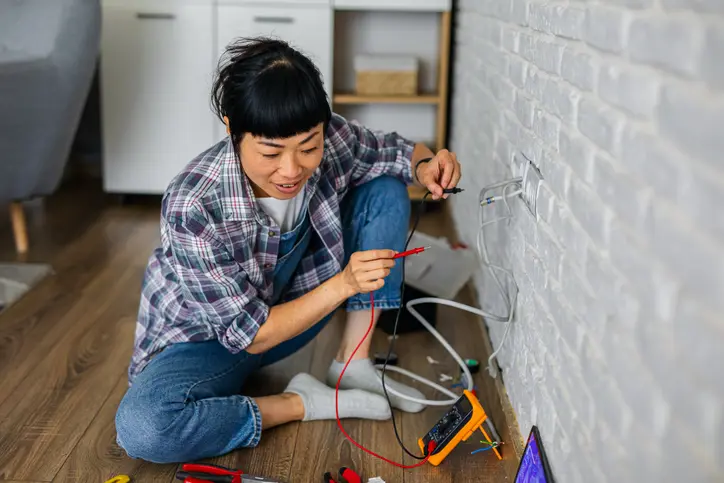
Many homeowners love a good DIY challenge. Painting a room? No problem. Replacing a light fixture? Maybe. But when it comes to electrical wiring, even a small mistake can create big issues later—higher energy bills, tripped breakers, or safety risks you might never notice until something goes wrong.
Whether you’re trying to save money or just enjoy fixing things yourself, understanding the most common wiring mistakes can help you make safer decisions.
Why DIY Wiring Mistakes Happen
Most wiring problems come from good intentions and limited information. Electrical work looks simple on the surface—connect a wire, tighten a screw, flip a switch. But behind the wall is a system designed to protect your home from overheating, short circuits, and unexpected power surges.
Common reasons DIY wiring goes wrong include:
- Not knowing which wire does what
- Using materials that aren’t right for the job
- Underestimating how much power a device needs
- Rushing or skipping important safety checks
These issues happen to everyday homeowners. The goal isn’t to scare you away from learning, but to help you understand where extra caution is needed and when calling a professional is the safer choice.
Using the Wrong Wire Gauge
“Gauge” refers to wire thickness. Thicker wires carry more electricity; thinner wires carry less. Using the wrong size is one of the most common and risky DIY mistakes.
If a wire is too thin for the amount of electricity passing through it, it can overheat over time. According to the U.S. Consumer Product Safety Commission (CPSC), overheating wiring is a top contributor to electrical fires in homes.
Signs the wire gauge might be wrong:
- The lights dim when appliances turn on
- Breakers trip often
- Outlets feel warm
Tips for homeowners:
- Match the wire thickness to the device’s power needs.
- Avoid reusing old wires from previous projects.
- If you’re unsure what gauge is correct, stop and check a reliable electrical chart from a trusted source, such as the National Electrical Code (NEC), or ask a licensed electrician.
DIY gauge mistakes are extremely common because most people don’t know how load calculations work. A professional will take care of this automatically, saving you stress and the need for guesswork.
Overloading Circuits
Plugging too many devices into one circuit or wiring new outlets into an already busy line can overload it. Many homeowners don’t realize that circuits are designed with limits.
An overloaded circuit can cause:
- Frequent tripping
- Heat buildup in wires
- Long-term damage to electrical components
Ways to prevent overload:
- Spread appliances across multiple circuits.
- Avoid adding new outlets without knowing what’s already on that circuit.
- Do not “piggyback” wires just because there’s space in the box.
A licensed professional can map your home’s electrical load and help ensure every room has enough power for your lifestyle without straining the system.
Loose or Poor Connections
Loose wire connections are a leading cause of flickering lights and intermittent power. They can also create heat at the connection point, increasing fire risk.
How loose connections happen:
- Wires not fully tightened
- Using electrical tape instead of proper connectors
- Mixing different types of connectors
DIY-friendly ways to improve safety:
- Always use UL-listed connectors
- Avoid twisting wires together without a secure cap
- Don’t push wires back into a box until you’ve confirmed everything is tight
Even when connections look correct, they may not be secure enough. Professionals use tools and testing methods that ensure connections stay tight long-term.
Using the Wrong Type of Outlet or Switch
Modern homes use different outlets for different needs, especially in kitchens, bathrooms, basements, and outdoor areas. The National Fire Protection Association (NFPA) recommends using GFCI outlets in areas where water is present because they reduce shock risk.
Common homeowner mistakes include:
- Installing a regular outlet instead of a GFCI in a wet area
- Using indoor outlets outdoors
- Mixing incompatible switch types
Quick homeowner tips:
- Use GFCI outlets in kitchens, bathrooms, laundry rooms, garages, and outdoors.
- Look for outlets labeled “weather-resistant” for exterior areas.
- If your switch or outlet doesn’t match your wiring setup, do not force it.
Using the correct components is essential to protecting your home.
Skipping Junction Boxes
A junction box protects wire connections and prevents them from being exposed. Skipping the box is a major DIY mistake because uncovered wiring increases the risk of sparks, heat buildup, or accidental damage.
Why junction boxes matter:
- They contain heat.
- They keep wires secure.
- They protect against accidental contact.
If you find open splices or dangling wires from an older DIY project, that’s a sign that work may not have been done correctly. This is a situation where calling a professional is often the safest move.
Mixing Aluminum and Copper Wiring Without the Right Connectors
Older homes sometimes contain aluminum wiring. Modern projects typically use copper. When these two metals touch without the right connector, they can corrode over time. This corrosion causes loose connections and heat buildup.
If you suspect your home has aluminum wiring:
- Don’t try to mix the wires yourself.
- Look for markings such as “AL” on older wires.
- Have a professional evaluate the wiring.
Special connectors exist for mixed-metal connections, but they need to be installed correctly to work.
Not Grounding the System Properly
Grounding provides an escape path for excess electricity if something goes wrong. Without grounding, the risk of shock or equipment damage increases.
Common grounding mistakes:
- Not connecting the ground wire
- Removing the ground to “make it fit”
- Using two-prong outlets without grounding support
What you can do:
- Check that outlets have proper grounding
- Do not remove or bypass ground wires
- If your home has older wiring, consider an inspection
Grounding is one of those behind-the-scenes protections that homeowners rarely think about—but it matters.
When DIY Electrical Work Is Not the Best Choice
There’s nothing wrong with wanting to save money or learn new skills. But electrical systems are complex. Even small errors can create problems that surface months or years later. If you’re ever unsure, the most practical and safe option is to bring in a licensed professional from the start.
Professionals can help with:
- Troubleshooting confusing wiring
- Adding new circuits safely
- Ensuring your home meets modern safety standards
- Inspecting old wiring before you start a DIY project
Working with ABEV Power Solutions means you get clarity, safer results, and long-term confidence in your home’s electrical system.
Smarter DIY Starts With Knowing Your Limits
DIY projects can be rewarding, but wiring mistakes often hide behind walls where you can’t see them. Using the wrong wire size, overloading circuits, skipping proper connectors, or installing the wrong outlets can lead to problems over time. Learning the basics helps you make safer decisions—and knowing when to call a professional protects your home and your peace of mind.
If you want reassurance, guidance, or hands-on help, ABEV Power Solutions is here to support you.
Ready for Help? Contact ABEV Power Solutions
If you’re planning a DIY electrical upgrade or you’re worried something from a past project wasn’t done correctly, getting expert support can make a big difference. Reach out today through our online form or call (678) 257-3263 to speak with a friendly member of our team. Our professionals can help you understand your options and keep your home powered safely.