

Switching to an electric vehicle is an exciting step toward a more sustainable lifestyle. However, for many new owners, the transition from gas stations to home charging comes with a learning curve. While the technology is advanced, setting up a home charging station is a straightforward process when you understand the basics. This guide provides expert, science-based insights to help you choose the right equipment and understand how a professional installation keeps your home safe and efficient.
Level 1 vs. Level 2: Understanding the Science
The first decision you will face is choosing between Level 1 and Level 2 charging. Level 1 charging uses a standard 120-volt household outlet, the same kind you use to charge your phone or plug in a lamp. While convenient, it provides a very slow trickle of power, usually adding only 3 to 5 miles of range per hour. For most modern drivers, this isn't enough to keep up with daily commutes.
Level 2 charging is the gold standard for residential use. It requires a 240-volt circuit—similar to the power used by a clothes dryer or a kitchen range. By using higher voltage, a Level 2 station can charge your vehicle up to ten times faster than a standard outlet. This allows you to fully replenish your battery overnight, ensuring your car is ready to go every single morning.
Key facts about Level 2 charging include:
- It requires a dedicated circuit to handle the continuous flow of electricity safely.
- Most Level 2 chargers can add 25 to 60 miles of range per hour, depending on the vehicle.
- It is significantly more efficient than Level 1, meaning less energy is lost as heat during the charging process.
Choosing Your Charger: More Than Just a Plug
Not all chargers are created equal. When selecting your equipment, you need to consider both your current needs and the future of your home. Some chargers are simple, dumb units that start charging as soon as they are plugged in. Others are smart chargers that connect to your home Wi-Fi.
Smart chargers allow you to schedule charging during off-peak hours when electricity rates in Georgia are lower. This not only saves you money but also reduces the strain on the local power grid. You should also look for a charger with a higher amperage than your current car might need. Choosing a robust system now ensures that if you upgrade to a car with a larger battery in the future, your charging setup won't need to be replaced.
When comparing models, look for these features:
- Wi-Fi connectivity for remote monitoring and software updates via your smartphone.
- A high-quality, flexible cable that stays manageable even in colder temperatures.
- UL or ETL safety certifications to ensure the equipment has been rigorously tested.
The Essential Role of a Professional Load Calculation
One of the most critical parts of the installation process is the electrical load calculation. Your home’s electrical panel has a limited capacity. Adding a high-demand appliance, like an EV charger, without a proper assessment poses a safety risk. A professional technician must evaluate how much power your home currently uses for your HVAC system, water heater, and kitchen appliances.
This scientific assessment determines if your current panel can safely support the added load. If your panel is older or already near its limit, a panel upgrade or the installation of a sub-panel may be required. This step is vital to prevent circuit breakers from tripping and to ensure that your home's wiring doesn't overheat during long charging sessions.
A thorough load assessment covers:
- The total amperage of your existing service (usually 100, 150, or 200 amps).
- The continuous load requirements of the specific EV charger you’ve selected.
- The physical space available in your panel for a new, dedicated double-pole breaker.
What to Expect During the Installation Process
A professional installation follows a specific path to ensure every safety standard and local building code is met. The process is designed to be thorough, taking the guesswork out of the transition to clean energy. By following a structured approach, you can be confident that your charger will perform reliably for years to come.
Here is a breakdown of a standard high-quality installation process:
- Initial consultation to discuss your specific EV model and daily driving habits.
- An on-site assessment to inspect the electrical panel, wiring, and the physical location of the charger.
- Technical design and permitting to handle load calculations and ensure compliance with local Georgia codes.
- Professional installation of a dedicated circuit and the charging unit using specialized tools.
- Quality assurance testing to verify that the charger is delivering the correct voltage and handling the load safely.
- A final walkthrough to show you how the equipment works and how to monitor your charging.
Site Selection and Future-Proofing
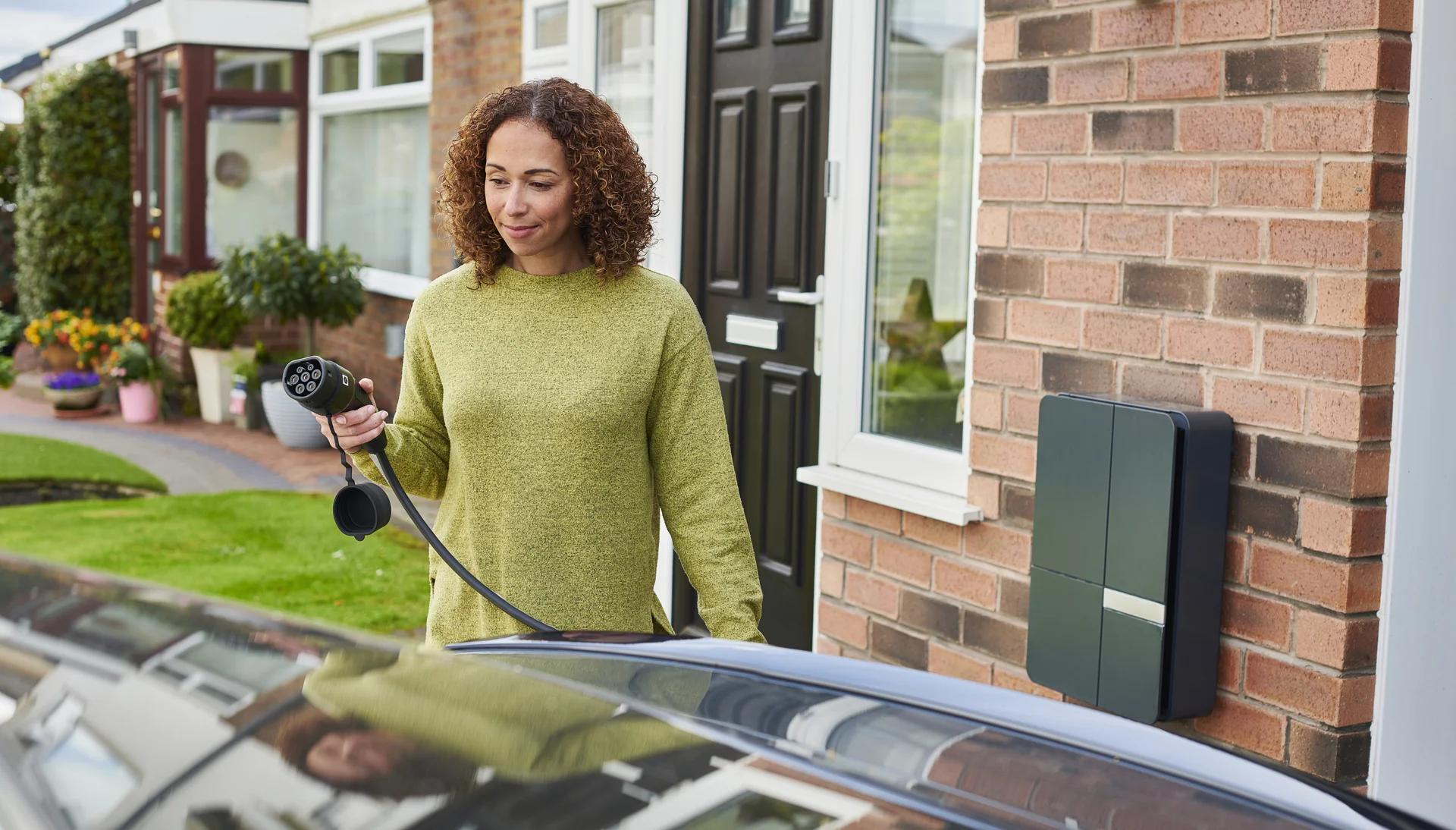
Where you install your charger matters as much as which charger you choose. Most homeowners prefer the garage, but outdoor installations are becoming more common. If you choose an outdoor spot, the equipment must be rated for weather exposure, and the installation must include proper conduit to protect the wiring from the elements.
Think about where the charging port is located on your vehicle. You want the cable to reach the car easily without becoming a tripping hazard in your garage. Future-proofing is also key; even if you only have one electric car now, you may want to position the charger so it could eventually reach a second vehicle in the next bay.
The Value of Professional White-Glove Care
While there are many DIY projects around the house, high-voltage electrical work is not one of them. Professional electrification specialists bring the expertise needed to handle complex wiring and permitting. A turn-key approach ensures that everything from the initial design to the final permit is handled correctly, protecting both your home's value and your family's safety.
Using a certified professional also ensures that your work is backed by a warranty. This is important because many EV manufacturers require proof of professional installation to maintain the warranty on the vehicle’s battery. Choosing experts who treat your property with respect and handle all the technical details allows you to enjoy the benefits of your EV without the stress of managing a construction project.
How ABEV Power Solutions Can Support You
At ABEV Power Solutions, we specialize in powering your world with reliable, sustainable energy solutions. Our team of certified technicians provides comprehensive residential electrical services, specializing in high-quality EV charger installations. We understand the unique needs of Georgia homeowners and offer white-glove care to ensure your transition to an electric vehicle is seamless and successful.
Don't leave your home's safety to chance; ensure your new EV is powered by the experts. Contact our team online for a free estimate or call us at (678) 257-3263.